What the report says
Back in 2006, Rare found itself at a crossroads. The developer had spent the 1990s working with Nintendo, creating some of the SNES, Game Boy, and N64's most beloved titles. In 2002, though, it was acquired by Microsoft, becoming a first-party developer for its new game console. In the transition, some of Rare's magic seemed to have been lost. None of the four games it developed in the intervening years were hits, critically or commercially, on anything like the scale of its Nintendo golden years. As such, 2006's Viva Piñata was positioned as a comeback for the studio.
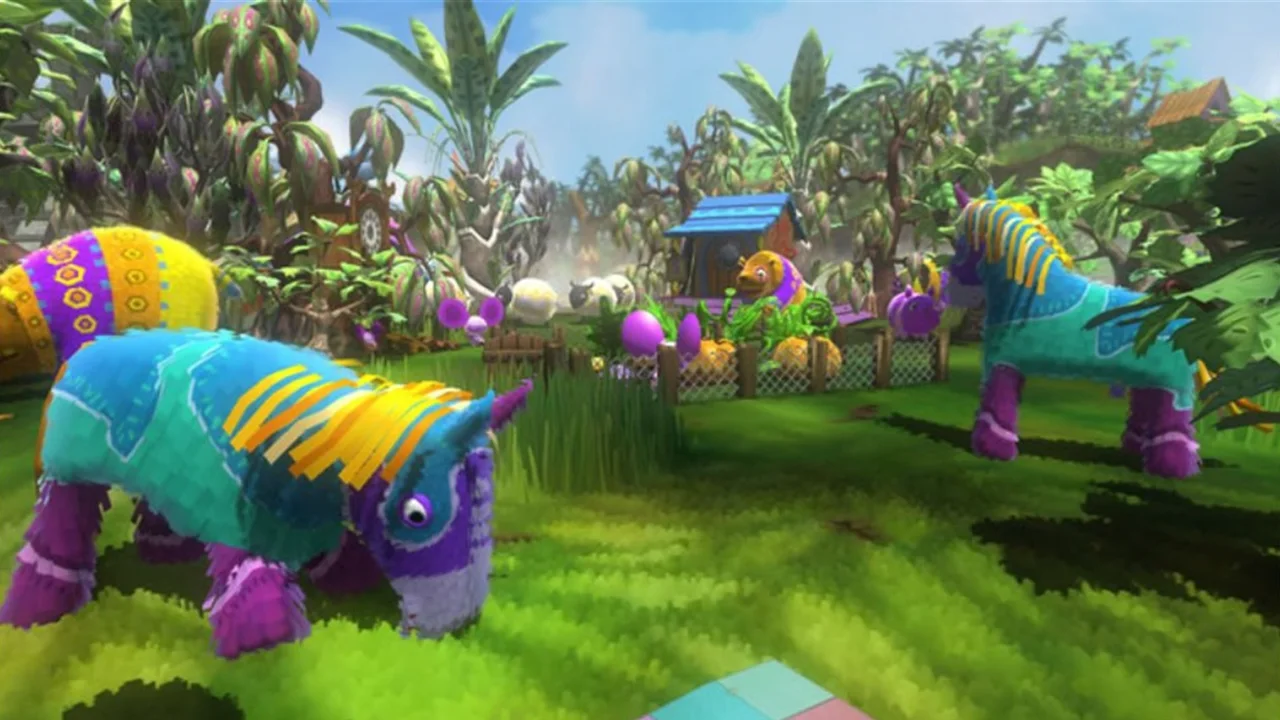
The game was aimed at a younger audience and was intended to be the beginning of a fully fledged franchise, complete with its own animated TV show. On these terms, the game was not the success it deserved to be – but it proved that the embers of that old Rare magic still burned bright.In Viva Piñata, the player is handed the deeds to a rough patch of land and tasked with turning it into a bustling garden by filling it with plants, decorations, and – the game's undisputed stars – animals. Piñatas, to be precise, of which there are 60 varieties, from Arocknid to Zumbug, to attract into your garden with the hope that they'll make it their home.
This is achieved by meeting a tick list of needs for each species: the right kind of tree for them to nest in, enough water for aquatic creatures to splash around in, and the component parts of their diet. It's a gentle start to the game, but the process of winning over a piñata is truly satisfying. Spotting a new species for the first time is a treat. All 60 are charmingly designed, with names that pun on a type of sweet, like Profitamole or Buzzlegum. Visiting piñatas start out monochrome, but convince them to become residents and they'll bloom into full colour, revealing their vibrant blues, yellows and purples – the perfect visual reward for your efforts.

Key details
It's not hard to see why Microsoft saw the opportunity for a kid's TV series in Viva Piñata. Cuteness can be an easy thing to dismiss, but Rare pulls it off here with the kind of deft hand usually reserved for Disney cartoons and litters of puppies. Every bit of incidental animation is charming, bringing the piñatas and their world to adorable life. Don't you dare smash oneBack in the Nintendo days, Rare had created Banjo-Kazooie, a series of kid-friendly games which were among the biggest sellers on the N64. In the Donkey Kong Country games, it filled out DK's supporting cast with the likes of Diddy and Cranky Kong.
After the failure of Kameo: Elements of Power, an Xbox 360 launch title with a similar Saturday-morning cartoon aesthetic and a Pokémon-like cast of creatures, Viva Piñata provided much-needed proof that the design talent behind those older games was still alive and well. Viva Piñata is more than just a pretty face, though. As the game progresses, it drip-feeds the player a steady stream of new challenges. First, the introduction of ‘piñatavores', which won't settle in your garden until they've eaten one of its existing residents. There's a certain old-lady-who-swallowed-a-fly logic to attracting some piñatas at the top of the food chain: you lure in a Mousemallow to feed to a Syrupent, then feed the Syrupent to a Macaracoon and so on.
This is further complicated by the ability to breed animals, which involves checking off another set of requirements to help get them in the mood. Smaller piñatas, it seems, serve as the perfect aphrodisiac. This can test your loyalties – say you want to breed the foxy Pretztails, but have grown attached to the two Bunnycombs who have settled in the garden. Naturally you get the latter to do what rabbits do best, and make another Bunnycomb – so you can feed that cute little baby straight to a Pretztail. As you nudge forward through the game, waiting for the right animal to wander into your garden, tending to plants, and building homes for your favourites, the initially gentle pace begins to snowball.
More from the announcement
Viva Piñata introduces ‘sour' piñatas, who drop sweets that can poison a resident; weeds that can spring up and choke your existing plants; masked Ruffians who vandalise and start fights. It's around this point that you begin to glimpse the game's hidden dark side. Rotten candyFamily-friendly games weren't the only thing Rare was known for. Titles such as Killer Instinct, GoldenEye 007 and Perfect Dark brought a vital edge to Nintendo's catalogue. Conker, one of the cutesy animal characters created for Diddy Kong Racing, was revamped into a sweary, hard-drinking squirrel armed with Uzis and a chainsaw.
By 2006, though, games had to work considerably harder to shock. Six months after the launch of Conker's Bad Fur Day, Rockstar changed the gaming landscape with the release of Grand Theft Auto III. Xbox consoles had made their name with the likes of Halo, Splinter Cell and – launched just days before Viva Piñata – Gears of War. An attempt to return to Rare's more bloody roots with Perfect Dark Zero proved disappointing. While it may not have been obvious on the surface, though, some of this spirit lived on in Viva Piñata. The violence is kept strictly PG – when a piñata is killed, they pop open and spill their sweets on the ground, accompanied by the sound of children cheering – but it's effective because the game has encouraged you to invest in these creatures.
The early game incentivises naming your piñatas with mechanical reward, sneakily building attachment. After all, which are you going to care more about, ‘Horstachio 1' or the one named after your childhood pet?
 Before the Fall — Check Out Indie Visual Novel
 Nvidia DLSS 5 is launching on September 3: Here's everything I learned about it
 Final Fantasy VII Revelation is massive, impressive, and makes me a little
 Capcom Opens First U.S. Capcom Store Pop-Up in Los Angeles With Mega Man: Dual